Wardrobe Selection: How Clothing Shapes Your Portrait Experience
Captured by Souls & Stills
🎧 For those on the go: the complete blog post is available as an audio recording below. 👇
✨ The right outfit doesn’t just change how you look — it changes how you feel. And that feeling is what makes a portrait timeless.
Table of contents - Click a section name below to go directly to it
Portraits Are More Than Pictures
A portrait session is not merely about taking a picture. It is about creating the right atmosphere — comfortable, honest, and open. The goal is to help you feel like you do when speaking with your closest friend: no barriers, nothing held back, simply being yourself. That is the self we want to capture — your truest, warmest self.
Since a photograph cannot speak, it must show. To reveal that authentic version of you, we need to create the right environment. And a crucial part of that environment is what you wear.
Why Clothing Matter
Think of the last time you slipped into a favorite dress or a well-tailored suit. Instantly, something changes: the way you walk, the way you speak, even the way you shake hands. Clothing influences not just how you look, but how you feel.
Psychologists call this enclothed cognition — the idea that clothing can trigger psychological states associated with the garments we wear. When you feel empowered inside, it naturally projects outward. This principle applies not only to portrait sessions but also to everyday life and social contexts.
Fabric and Material

The texture and weight of fabric can shape not only how you look, but how you feel. Clothing is a sensory experience — it touches your skin, influences your movement, and even alters your posture.
✨ Silk and satin: Smooth fabrics glide across the skin, often evoking elegance, sensuality, and sophistication. They encourage softer gestures and a more refined presence.
🧥 Wool or heavy coats: Dense fabrics can feel grounding, secure, and protective — almost like being embraced. They may encourage stillness and a sense of calm.
🌿 Cotton and linen: Light, breathable fabrics often promote relaxation and ease, encouraging openness and natural movement.
How to Notice What Fabric Does to You
Don’t just touch the fabric with your fingertips — wear it fully and pay attention to the following:
👆 Skin sensation: Does the fabric feel smooth, rough, warm, or cool? Notice whether it makes you feel pampered, energized, or comforted.
🚶 Movement: Try walking, sitting, or stretching in the outfit. Does the fabric flow with you or restrict you? Does it encourage graceful gestures or relaxed ease?
🧍 Posture: Heavy fabrics may make you stand more firmly, while lighter fabrics may encourage fluidity. Observe how your body naturally adjusts.
💡 Mood shift: Ask yourself: Do I feel more elegant, more relaxed, more powerful, or more playful in this fabric?
Why This Matters in Portraits
The way fabric interacts with your body directly influences how you present yourself in front of the camera. If a garment makes you feel elegant, you’ll naturally project sophistication. If it makes you feel cozy, your expression may soften. By tuning into these subtle cues, you can choose clothing that supports the identity you want to embody in your portrait.
Fit

Captured by Souls and Stills
Fit is often underestimated, yet it is one of the most important factors in how clothing influences your mood and confidence. The way a garment sits on your body doesn’t just affect appearance — it shapes how you move, how comfortable you feel, and how authentically you present yourself.
Clothing interacts with our natural form —
for women, the curves of the body often define elegance and softness, while for men, the strength and structure of the shoulders often define presence and authority. During the shoot, we will guide you through posing positions that highlight these features as needed. For now, it’s enough to simply be conscious of how your clothing frames your body.
👕 Too tight or too loose: Clothes that pinch, pull, or sag can distract you, making you tug or adjust constantly. This breaks focus and can undermine confidence during a portrait session.
🤵 Tailored suit or structured outfit: A garment with a snug, formal fit may feel slightly restrictive. This often promotes a more serious, composed demeanor, encouraging upright posture and a sense of authority.
🧘 Looser, flowing clothing: Outfits that allow freer movement can create a relaxed mindset. They encourage natural gestures, openness, and ease in front of the camera.
How to Notice Fit in Practice
When trying on outfits for your portrait session, pay attention to:
🧍 Posture: Do you stand taller or shrink into yourself? A well-fitted garment often encourages better posture.
🚶 Movement: Walk, sit, and stretch. Does the outfit move with you or restrict you?
💡 Comfort level: Ask yourself: Am I thinking about the clothes, or am I free to focus on myself?
😊 Confidence shift: Notice whether you feel more self-assured, elegant, or relaxed depending on the fit.
Why Fit Matters in Portraits
When clothing fits well, it supports confidence and allows you to focus on the experience rather than your discomfort. The right fit helps you embody the identity you want to project — whether that’s professional, relaxed, or timeless — and ensures your portrait reflects your truest self.
Color and Prints
Captured by Souls and Stills
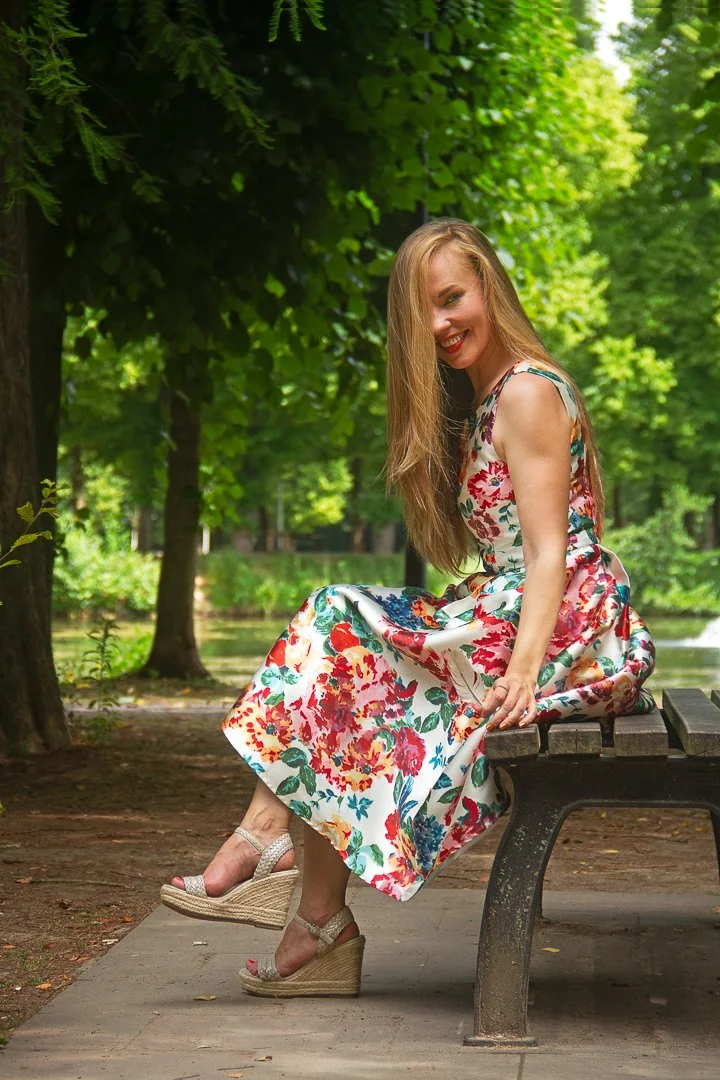
Color is one of the most personal choices you can make when preparing for a portrait session. It doesn’t just affect how you look — it influences how you feel and how others perceive you. While general guidelines exist, the most important factor is choosing colors that feel authentic to you.
Colors interact with personality, culture, and memory.
Bright tones may energize, darker hues can convey seriousness, and soft palettes often evoke calm. But beyond these associations, what matters most is how a color makes you feel in the moment.
🌈 Bright tones: Can energize and uplift, often projecting vibrancy and confidence.
⚫ Darker hues: Suggest seriousness, authority, or introspection. They can add weight and gravitas to a portrait.
🎨 Soft palettes: Gentle tones often evoke calm, warmth, and approachability.
🚫 Bold prints: Large or busy patterns can distract from your face and presence. Unless a print is central to your identity, it’s best to keep them minimal.
How to Notice Color in Practice
When selecting outfits, try these steps:
👀 Visual impact: Stand in front of a mirror and ask yourself: Does this color highlight me, or does it overpower me?
💡 Emotional response: Notice how the color makes you feel — energized, calm, serious, or distracted.
📸 Timelessness test: Imagine the portrait 20, 30, or 40 years from now. Will the color still feel elegant and relevant?
👨👩👧 Group harmony: For family or group portraits, lay outfits side by side to see if the colors complement each other.
Why Color Matters in Portraits
Color shapes mood and identity. The right choice helps you feel aligned with your best self, while also ensuring the portrait remains timeless. By focusing on colors that feel natural and empowering, you’ll project authenticity and confidence — qualities that shine through in every image.
Practical Tips for our Clients
Preparing for a portrait session can feel overwhelming, but wardrobe choices don’t have to be complicated. The goal is to select clothing that helps you feel confident, authentic, and timeless. Here are some guiding principles to make the process easier:
👗 Choose outfits that empower you: Pick clothing that makes you feel like your best self — whether that’s elegant, professional, creative, or relaxed.
✋ Test fabrics by wearing them: Don’t just touch the fabric; wear the outfit and notice how it feels against your skin, how it moves with you, and how it shifts your mood.
📏 Prioritize fit over fashion: Comfort and confidence matter more than trends. A well‑fitted garment will always look better than one that “almost fits.”
🎨 Select timeless colors and styles: Think about how your portrait will look decades from now. Neutral tones and classic cuts often age more gracefully than bold, trendy choices.
🚫 Keep prints minimal: Busy patterns can distract from your face. Unless a print is central to your identity, opt for simpler designs.
📸 Take test photos: Try on each outfit, snap a quick picture, and revisit it a few days later. Sometimes distance helps you see which outfit truly feels right.
👨👩👧 Coordinate for group portraits: Lay family or group outfits side by side to check color harmony before the session. Balanced tones create a cohesive look.
🌟 Trust the process: Remember, during the shoot we’ll guide you through posing and positioning so your clothing highlights your natural features. Your job is simply to arrive feeling comfortable and confident.
The Transformative Experience
When all these elements — fabric, fit, color, and preparation — work together, the portrait session becomes more than photography. It becomes a transformative experience where you feel celebrated, confident, and authentically yourself. The right wardrobe is not just clothing; it’s a tool that helps you step into the identity you wish to project and preserve.