“I Hate Being Photographed”: But Why? And Why It’s Not Your Fault
🎧 For those on the go: the complete blog post is available as an audio recording below. 👇
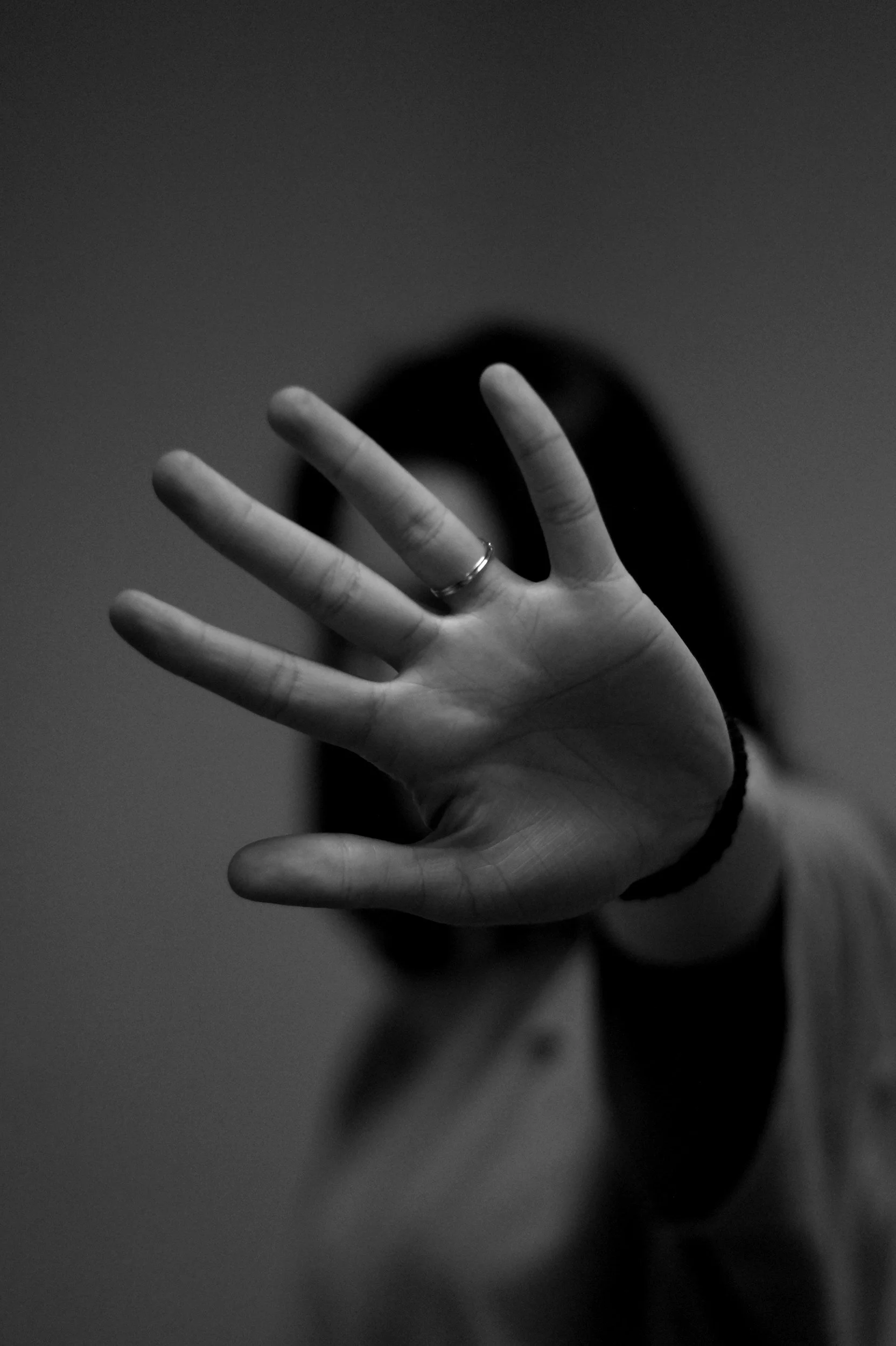
“I hate being photographed.”
A surprising number of people say the same sentence when a camera appears.
Not because they’re unphotogenic. Not because they’re shy. Not because they don’t care about how they look.
Most people dislike being photographed because their past experiences have taught them to expect discomfort, disappointment, or invisibility. And once those feelings settle in, the camera becomes something to avoid rather than embrace.
This piece explores why so many people feel this way — and what a thoughtful portrait photographer can do to change that experience entirely.
When the Camera Doesn’t Match the Mirror
Most of us have only ever been photographed in everyday situations — rushed phone snaps, group photos, events, or by people who don’t think about light, angles, or comfort. Because of that, the camera has rarely shown us what we actually look like.
Phone lenses distort, Harsh lighting exaggerates, Selfies warp proportions, Group photos flatten or hide details. After enough of these, it’s easy to believe phrases like “I don’t look good in photos.”, “My face is uneven.”, “I look bigger than I am.”
But the truth is far kinder.
When someone who understands portrait lighting, distance, and expression photographs you, everything changes. A professional photographer knows how to choose a flattering lens, how far you should stand, how to shape light, and how to guide you into positions that feel like you — just at your best.
You’re not unphotogenic. You’ve simply never been photographed with the right combination of care and technique.
How Past Photos Shape Present Fears
Most of us carry a quiet archive of photos we’d rather forget — awkward school portraits, rushed event shots, group photos where we felt out of place. These moments stack up and quietly teach us to expect disappointment.
Then modern life adds another layer: endless casual phone photos taken in bad lighting, odd angles, or unflattering crops. We take so many of them that we start to believe this is what we look like. It’s no wonder people think, “The camera just doesn’t like me.”
But the camera isn’t the issue. It’s the experiences you’ve had with it. When the experience changes, the way you see yourself in photos changes too.
When You’re Treated Like an Object, Not a Person
One of the most painful experiences is feeling like a test subject. A photographer arrives with big equipment, says nothing, gives no direction, takes a few shots, and leaves. No connection. No conversation. No understanding of what you like or fear.
In that silence, people are left to figure everything out themselves — how to stand, where to put their hands, how much to smile. Most people aren’t models; they don’t instinctively know how to position themselves or how light affects their features. So they default to a polite smile that reaches the mouth but not the eyes.
When the process feels clinical or self‑centred, people feel: judged, exposed, invisible, unimportant.
A portrait isn’t a technical exercise. It’s a human interaction. People can only open up when they feel seen, understood, and gently guided.
The Quiet Fear of Standing Out
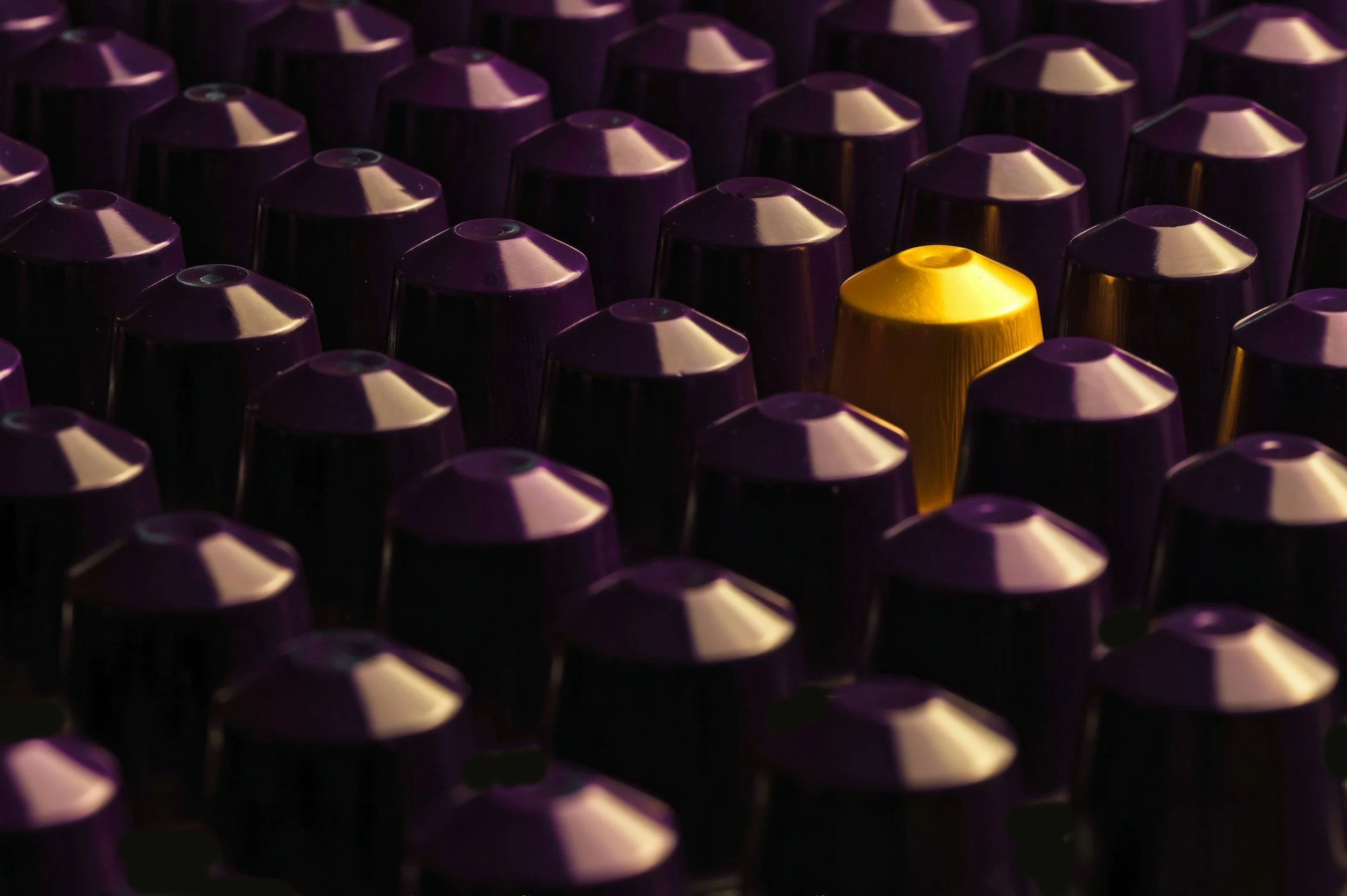
Another reason people dislike being photographed is the fear of standing out in the wrong way. In group photos, many instinctively shrink — slipping to the back, tilting their head out from behind others, or trying to take up as little space as possible.
This becomes even stronger when someone feels visually different from the group — whether in appearance, outfit, or simply how prepared they feel. Instead of capturing a memory, the camera feels like it’s exposing insecurities.
Because most people don’t know how to position themselves or how light interacts with different skin tones, they assume the problem is their appearance — not the environment or the lack of guidance.
But this isn’t about vanity. It’s about belonging, comfort, and the desire not to be singled out.
A thoughtful photographer reads the room. They notice who’s shrinking, who’s unsure, and who needs gentle direction to feel included rather than exposed. When people feel supported, they stop hiding. Their expression softens. Their presence expands.
The Pressure of the “One Perfect Moment”
Many people tense up because they feel everything has to be perfect in a single moment — the outfit, the hair, the expression. If one thing feels off, they start the session already doubting the outcome.
And because most people don’t take portraits regularly, they don’t know what will or won’t translate well on camera. The mismatch between how they hoped to appear and how they fear they might appear creates tension that shows up in posture, smile, and even breathing.
This is why the first few minutes matter so much. A thoughtful photographer gives space to settle, breathe, adjust, and reconnect. When someone feels supported rather than scrutinized, the pressure eases. They stop performing and start simply being.
A portrait isn’t about capturing perfection. It’s about creating the conditions where someone can feel like themselves.
Why Emotional Safety Matters More Than Technique
How someone feels in the presence of the photographer shapes the entire outcome. When someone senses they’re being rushed or judged, their body tightens and their expression becomes guarded.
But when emotional safety is present, everything changes.
People relax when they’re not being scrutinized. They open up when there’s gentle conversation or a moment to settle. They feel seen when the photographer notices the details they care about and responds with understanding.
Emotional safety isn’t flattery. It’s presence.
It’s the feeling of being in the hands of someone who understands how vulnerable it can feel to be photographed — and who guides without overwhelming.
A portrait isn’t created by equipment. It’s created by trust.
Rebuilding Trust With the Camera
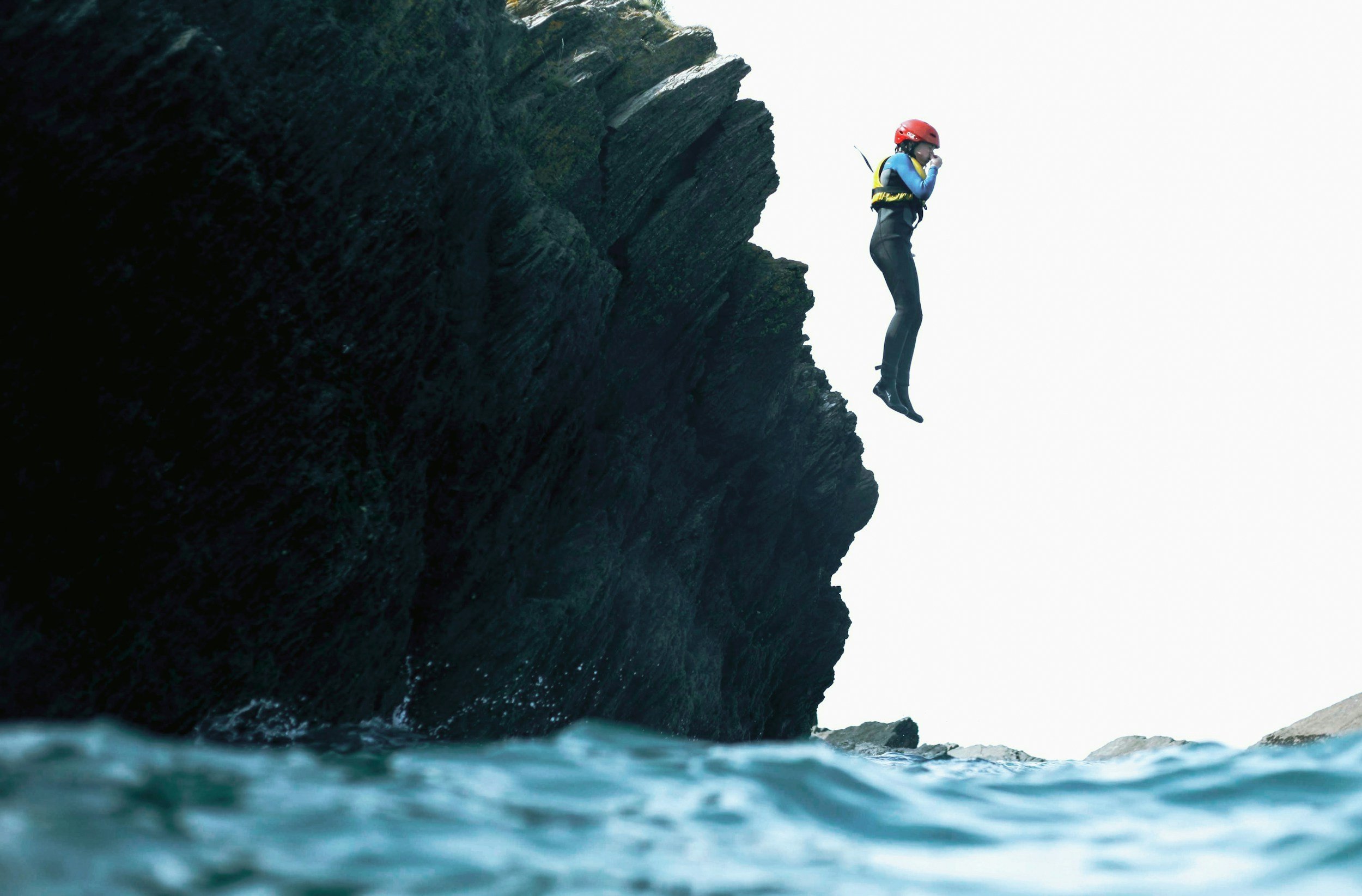
By the time someone says, “I hate being photographed,” it’s rarely about that moment alone. It’s the weight of every rushed snapshot, every unflattering angle, every time they felt overlooked.
But trust can be rebuilt — slowly, gently, and with intention.
It begins with a different kind of experience: one where the photographer listens, guides, and treats the person as a collaborator. When someone feels understood, their relationship with the camera shifts. They stop anticipating disappointment. They stop performing. They begin to recognise that a portrait isn’t something done to them — it’s something created with them.
This is the heart of how I photograph people. Not as objects to arrange, but as individuals with their own rhythms and ways of inhabiting themselves. My role is to create an environment where someone can settle into who they already are — and let the camera meet them there.
And even if you’re photographed by someone else, it’s worth noticing how that person makes you feel. Do they listen? Do they guide gently? Do they give you space to breathe? These cues reveal whether they can create the conditions where you’ll feel safe enough to be yourself.
You don’t need to know how to pose.
You don’t need to be confident.
You don’t need to perform.
You just need the right environment — one built on presence, patience, and genuine attention. When that happens, the version of you that appears in photographs isn’t a rare accident.
It’s the real you, finally given the space to be seen.